
When you see a picture or hear a song, information travels through the brain’s relay station, the thalamus, before reaching conscious thought. Smell takes a direct shortcut.
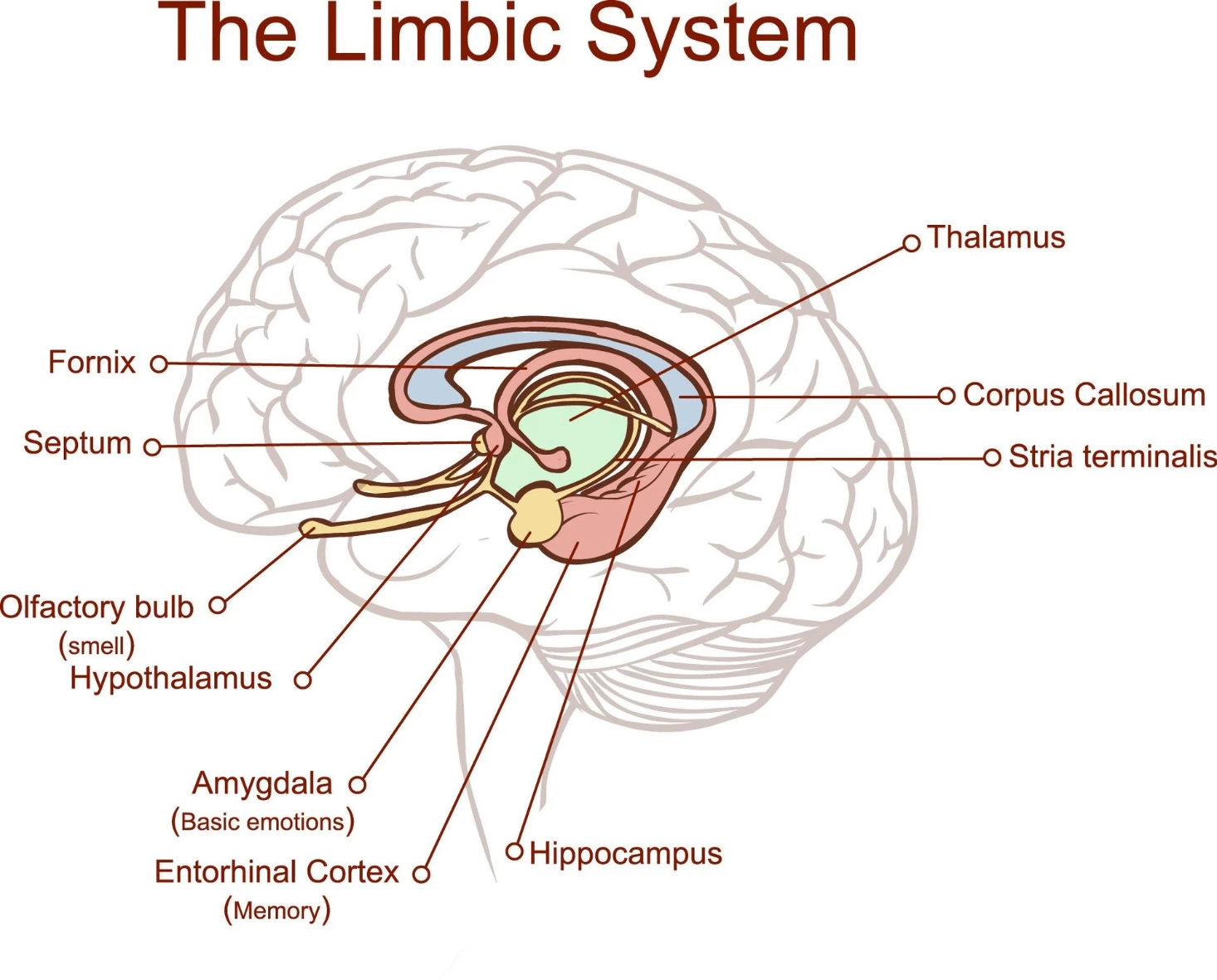
              THE OLFACTORY MEMORY PATHWAY
┌───────────────────────────────────────────────────────┐
│  Aroma Molecules Inhaled                              │
│           │                                           │
│           ▼                                           │
│  Olfactory Bulb (Nasal Bridge)                        │
│           │                                           │
│           ├─────────────────────────┐                 │
│           ▼                         ▼                 │
│       Amygdala                 Hippocampus            │
│  (Emotional Intensity)     (Memory Storage)           │
└───────────────────────────────────────────────────────┘
Olfactory Bulb: Sits at the roof of the nasal cavity and processes aromatic compounds.
Amygdala: Processes emotional weight and threat responses.
Hippocampus: Responsible for consolidating long-term memory.
Because the olfactory bulb connects directly to the amygdala and hippocampus, scent signals bypass analytical filtering. They trigger rich, emotional memories before your conscious mind even identifies what the scent is.
Key Aromas and How They Impact the Brain
Different botanical scent profiles stimulate distinct neurological pathways, making them useful for emotional anchoring and cognitive recall:
Rosemary: High in 1,8-cineole. Studies show inhaling rosemary aroma can boost memory retention and speed during cognitive tasks by up to 15%.
Lavender: Rich in linalool and linalyl acetate. Reduces sympathetic nervous system activity, locking in calm emotional states.
Peppermint & Lemongrass: Triggers the release of noradrenaline in the brain, raising alertness and sharpening short-term memory recall.
Botanical Purity vs. Synthetic Imitations
For an aroma to interact effectively with your nervous system, purity matters.
| Feature | Pure Essential Oils (e.g., Naturayas) | Synthetic Fragrance Oils |
| Chemical Structure | Complex, multi-terpene botanical profiles | Single isolated or petrochemical molecules |
| Brain Interaction | Directly stimulates limbic pathways | Tricks olfactory nerves; no therapeutic benefit |
| Air Quality Impact | Non-toxic, natural dispersion | Releases volatile phthalates and synthetic fixatives |
Pure plant extracts—such as those used in Naturayas Essential Oils and Room Mists—contain hundreds of naturally occurring synergistic terpenes that cross the blood-air barrier cleanly, offering functional cognitive benefits without triggering synthetic headaches.
How to Leverage Scent Anchoring for Daily Productivity
You can deliberately train your brain to associate specific scents with focus, relaxation, or creativity:
1.1. Choose Your Focus Scent:Select a Dedicated Aroma.
Pick a distinct, pure aroma you don't encounter daily—such as Lemongrass or Peppermint.
2.2. Diffuse Only While Working:Pair Scent with Action.
Diffuse your chosen scent exclusively when entering a state of deep, uninterrupted focus.
3.3. Reintroduce for Instant Flow:Trigger Immediate Recall.
When starting a tough project, mist the same aroma to instantly signal your hippocampus to enter flow state.